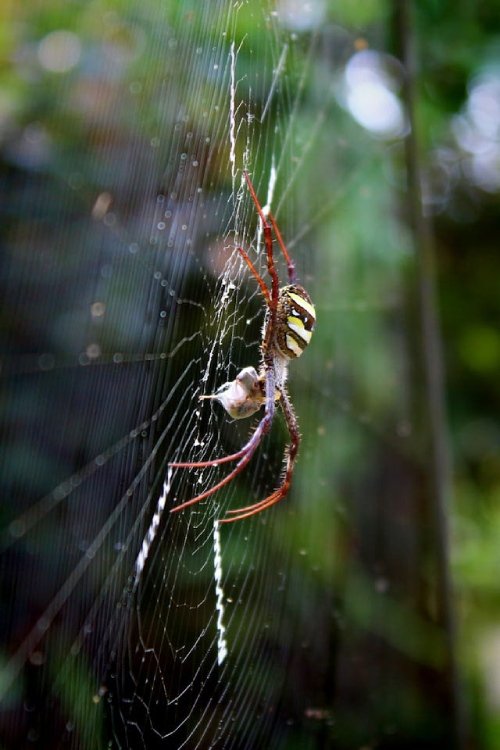
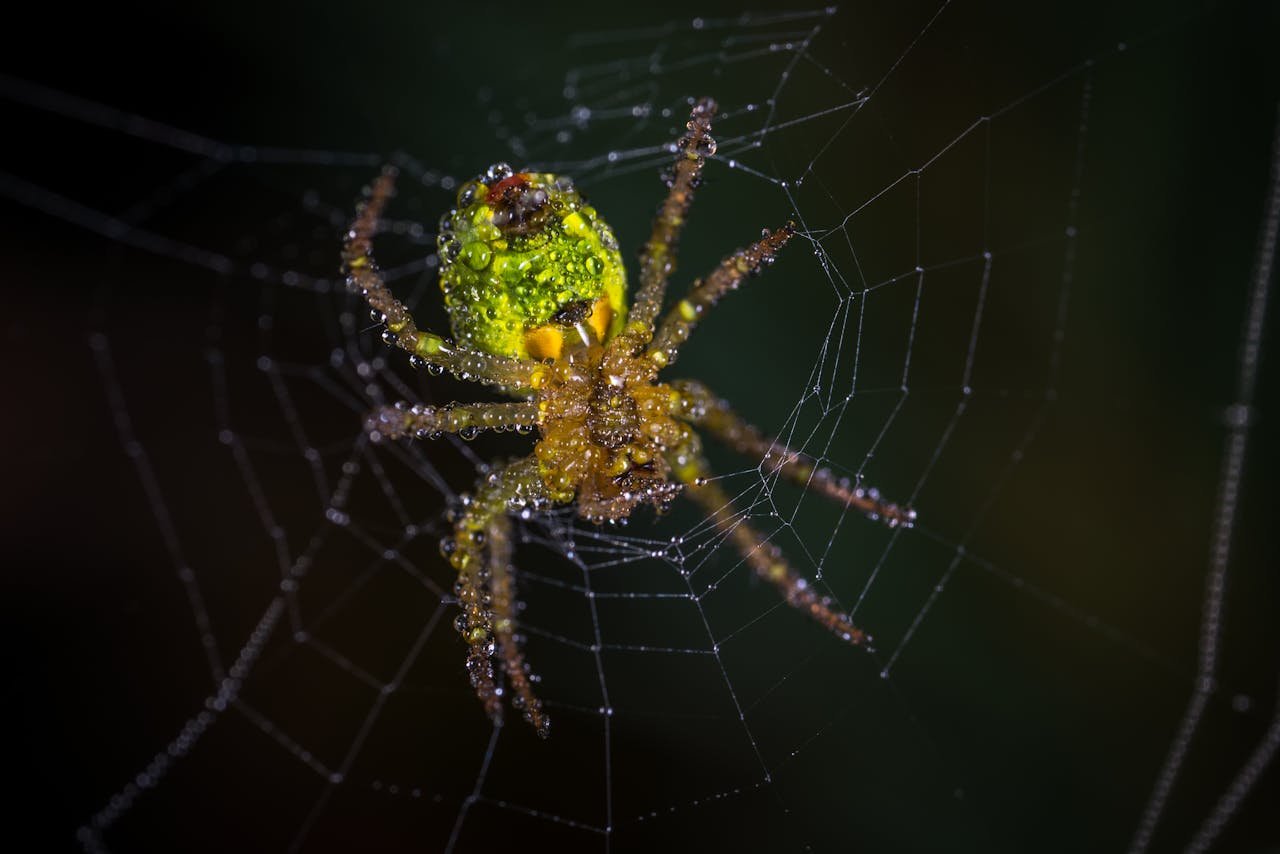
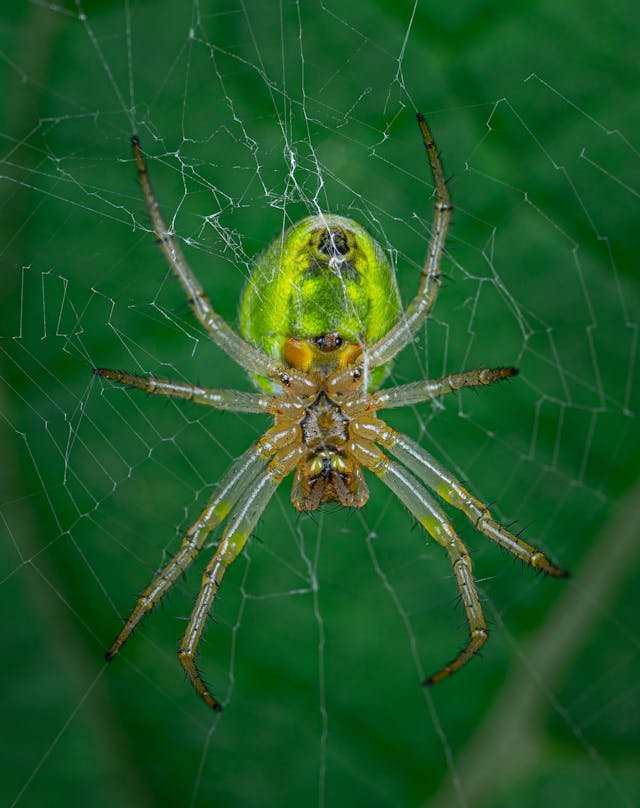
The Orb-weaver spider belongs to the family Araneidae and is known for spinning large, wheel-shaped webs that are highly efficient for catching flying insects. These spiders come in a variety of colors and sizes, with some species displaying striking patterns and bright hues. The name “orb-weaver” comes from the symmetrical circular webs they construct, often rebuilt daily. They are mostly non-aggressive and play a vital ecological role in controlling insect populations, especially in gardens, forests, and wetlands.
Facts
Lorem Ipsum is simply dummy text of the printing and typesetting content.
Orb-weavers are generally nocturnal, hiding during the day and becoming active at dusk. They rely on vibrations in their silk threads to detect prey and use venom to immobilize it quickly. While they may appear intimidating due to their size or vibrant colors, orb-weaver spiders are harmless to humans and rarely bite unless provoked. Their web-building behavior is also a subject of scientific interest, as they use specialized silk types for different web sections, showcasing one of nature’s finest examples of biological engineering.
Color:
Green body helps in camouflage among leaves.
Some species have bright yellow or orange spots near the spinnerets or mid-abdomen.
Web Structure:
Spins orb-shaped webs used to catch flying insects.
Web often built in bushes, gardens, or low vegetation.
Size:
Small to medium-sized spiders.
Males are smaller and less colorful than females.
Behavior:
Active during warmer months, often seen during the day.
Not aggressive; only bites in self-defense and is harmless to humans.
Habitat:
Found in forests, gardens, shrubs, and tropical vegetation.
Especially active in humid environments (note the dew on the spider).