



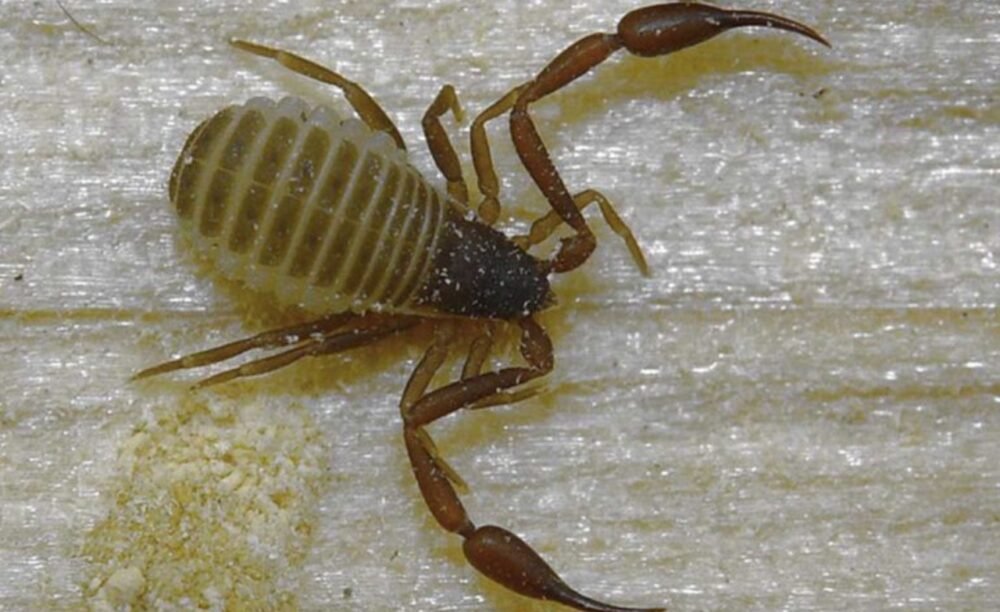
Pseudoscorpions
There are more than 3,300 species of pseudoscorpions recorded in more than 430 genera. Our database have 120 number of Pseudo scorpions from 12 families identified in India.
Read More
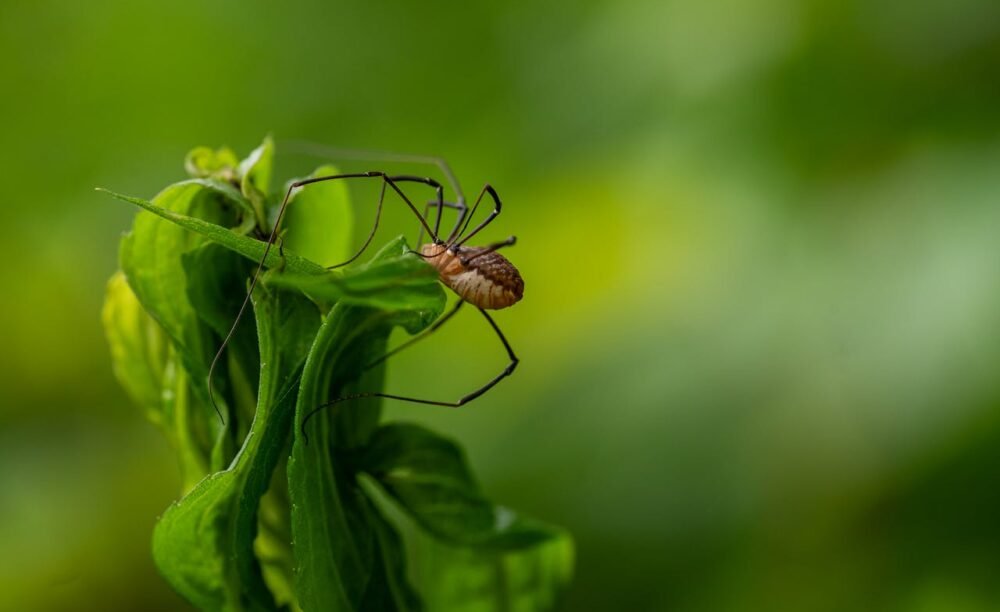
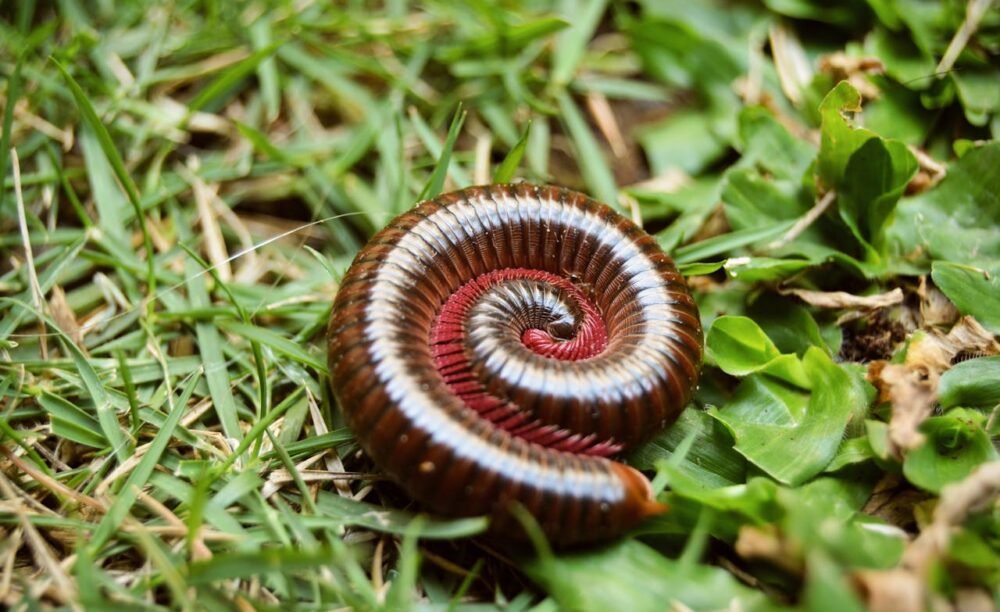
Millipedes
There are 7,000 species of millipede in the world, and 1,400 of these occur in the United States and Canada. xxx Species identified in India. Our database have xxx species found in India.
Read More
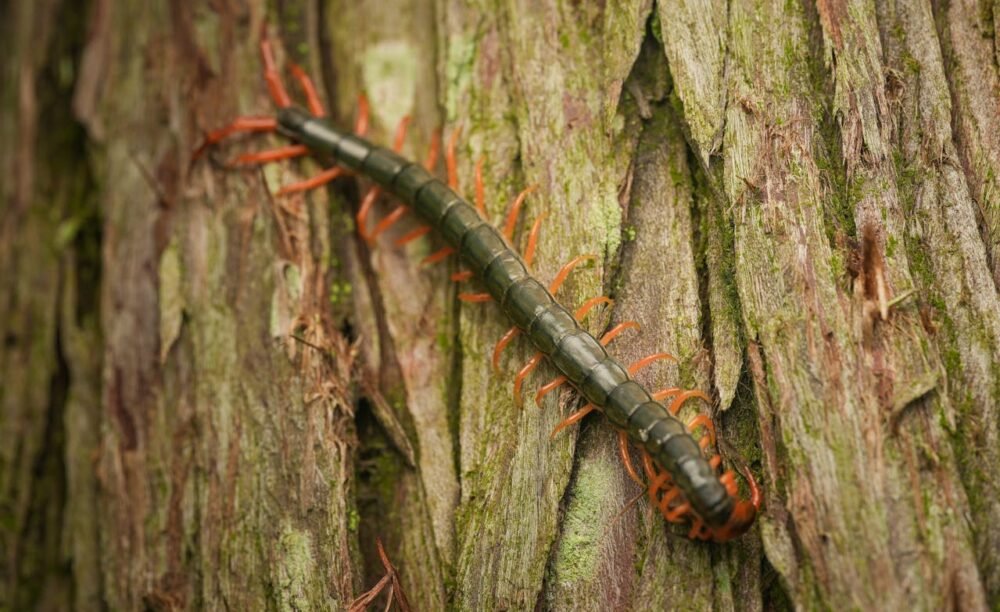
Centipedes
Worldwide, an estimated 8,000 species of centipedes are thought to exist, of which 3,000 have been described. xxx Species identified in India. Our database have xxx species found in India.
Read More
Collections
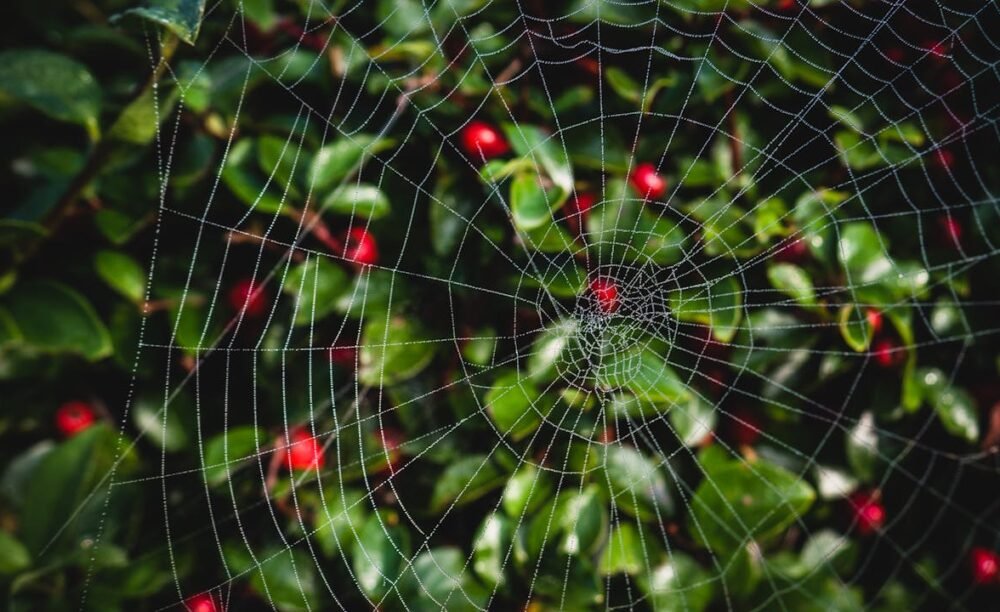
Collection of 1200 specimens found in India with systamatic documentation.The Western Ghats collections have 275 species of spiders belonging to 139 genera of 39 families.
Read More

Basic Plan
$
49.00
PER MONTH
- 1 Installation
- Wind Generators
- Real Solar PV Systems
- 100% Energy Saver
- Technical team of enthusiastic
Standard Plan
$
99.00
PER MONTH
- 9 Installation
- Wind Generators
- Real Solar PV Systems
- 100% Energy Saver
- Technical team of enthusiastic





Spider
Pseudoscorpions

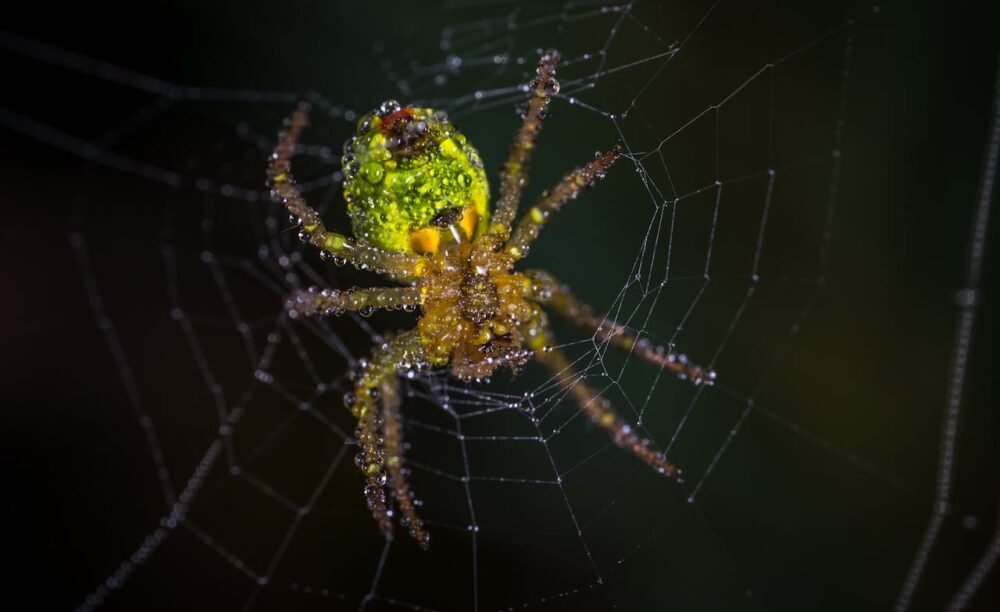
Orb Weaver Spider
This vibrant spider is a Green Orb-Weaver, belonging to the Araneidae family. Known for its bright green body with yellow and orange markings, it spins perfectly round orb-shaped webs to trap flying insects. Often found in gardens and forests, it blends well with foliage, using its color for camouflage. Though striking in appearance, it’s harmless to humans and plays a vital role in controlling pest populations.

Book Scorpion
Despite its scorpion-like pincers, it has no stinger and is completely harmless to humans. Found in old books, soil, or under bark, it feeds on small pests like mites and booklice. These beneficial arachnids even use their pincers to produce silk for making protective cocoons and often hitch rides on larger insects to move around.


“All of our lorries are fitted with Satellite Tracking and Temperature Controlled monitoring systems so that the transportation of high value and temperature sensitive loads can be monitored at all times.

Co Founder
Jhon D. William
“All of our lorries are fitted with Satellite Tracking and Temperature Controlled monitoring systems so that the transportation of high value and temperature sensitive loads can be monitored at all times.

Co Founder
Aleesha Brown
“All of our lorries are fitted with Satellite Tracking and Temperature Controlled monitoring systems so that the transportation of high value and temperature sensitive loads can be monitored at all times.

Co Founder
Mike Hardon

